
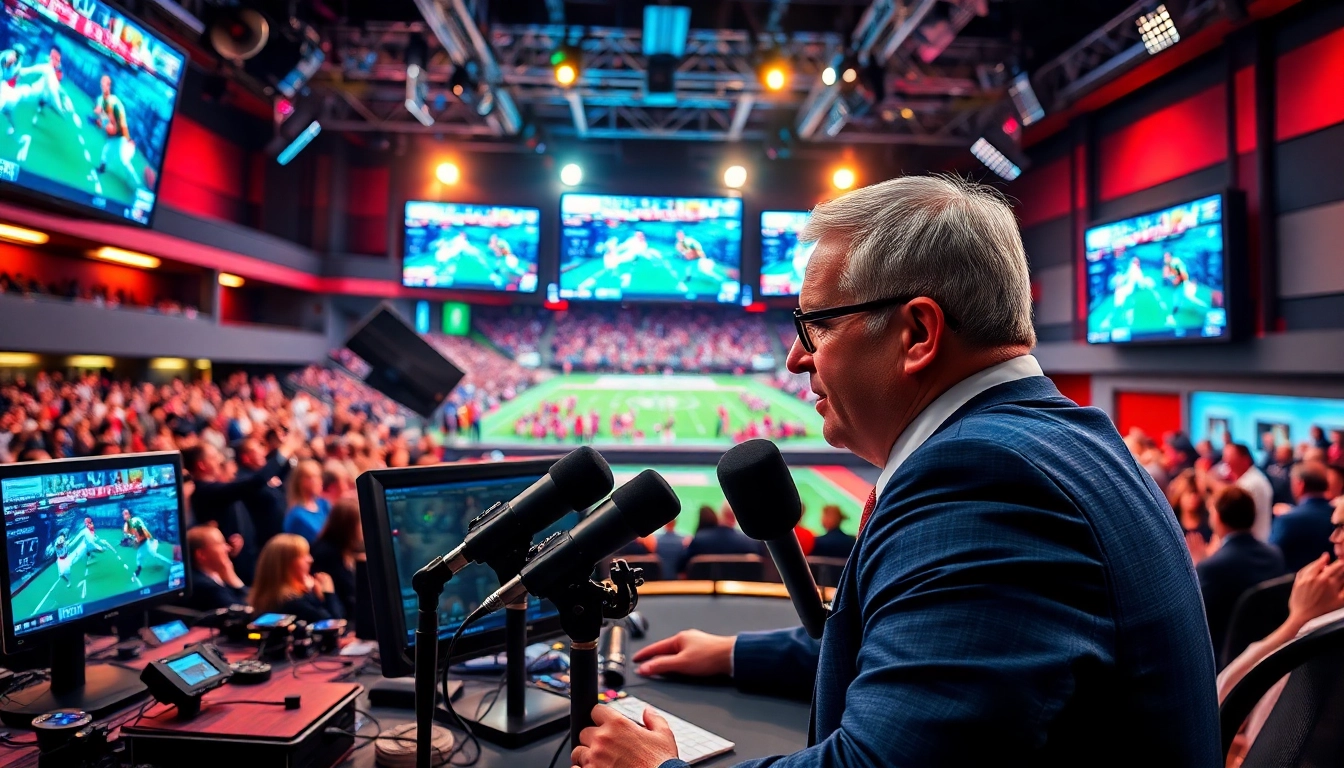
Understanding the Landscape of Sports Broadcasting
Sports broadcasting has evolved into a complex and dynamic field, heavily influencing how audiences consume their favorite sports. As digital technology advances and the demand for instant content increases, Sports Broadcasting continues to adapt, creating exciting opportunities for broadcasters and fans alike. This article delves deep into the crucial aspects of sports broadcasting, the skills required, the creativity involved, and the challenges faced by broadcasters in this fast-paced industry.
History and Evolution of Sports Broadcasting
The roots of sports broadcasting can be traced back to the early 20th century when radio became the first medium to broadcast sporting events live. The first professional sporting event broadcasted was the 1921 boxing match between Jack Dempsey and Georges Carpentier, marking a turning point in how sports were consumed.
With the advent of television in the 1950s, sports broadcasting underwent a transformation that brought action closer to fans. Network television turned sports events into lucrative enterprises, working closely with leagues to maximize revenue through advertising and sponsorships.
The 1980s and 1990s introduced cable networks that focused specifically on sports, creating channels dedicated exclusively to sports programming. The rise of the internet led to the next phase of this evolution, as streaming platforms began to offer live sports content, completely reshaping how audiences engage with sports. Each of these phases reflects a significant moment in the progression of sports broadcasting, illustrating the industry’s adaptability to technological changes and consumer preferences.
Key Players in the Sports Broadcasting Industry
Numerous key players define the landscape of sports broadcasting. Traditional broadcasters, such as national television networks, have historically dominated this space. However, the rise of digital platforms hasn’t diminished their importance; instead, it has added to a diverse group of players in the industry.
Streaming services represent a new wave of content delivery, engaging audiences directly through digital subscriptions and innovative marketing strategies. Social media platforms also play a pivotal role in today’s sports broadcasting world, where highlights, interviews, and behind-the-scenes content can be shared instantly with millions, shifting how traditional broadcasters approach sports content. Lastly, partnerships between leagues and broadcasters have become essential, as leagues seek to expand their reach and maintaining control over their media rights.
Current Trends Shaping Sports Broadcasting
The sports broadcasting industry is currently in a state of evolution, influenced by several significant trends. First, there is a shift towards personalized content delivery, allowing viewers to consume sports in ways that cater to their preferences, such as choosing camera angles or accessing exclusive commentary tracks.
Next, audience engagement is becoming increasingly interactive, with live polls, fan contests, and real-time feedback integrated into broadcasts. This approach enhances the viewer experience and allows broadcasters to gauge audience sentiment and adjust content in real time. Additionally, augmented reality and virtual reality technologies are actively transforming how sports content is presented, creating immersive experiences that deepen fan engagement.
Lastly, the integration of data analytics is gaining traction, helping broadcasters make informed decisions about content delivery, understanding viewer behavior, and optimizing revenue opportunities through targeted advertising.
Essential Skills for Sports Broadcasters
To thrive in the competitive world of sports broadcasting, individuals must cultivate a diverse skill set that includes a blend of communication techniques, technical knowledge, and an understanding of audience engagement. Each skill contributes significantly to delivering compelling broadcasts that resonate with viewers.
Communication Skills and Techniques
At the core of sports broadcasting is effective communication. A broadcaster must convey information succinctly and engagingly, whether through play-by-play commentary or in-depth analysis. Correct pronunciation of athletes’ names, understanding the rules of the games, and demonstrating enthusiasm are key components that help maintain audience interest.
Moreover, interview skills are equally essential. Broadcasters must approach interviews with athletes, coaches, or other relevant figures in a manner that prompts insightful responses while being mindful of their audience. Building rapport, asking open-ended questions, and demonstrating active listening play crucial roles in this aspect of communication.
Technical Knowledge and Equipment Proficiency
A modern sports broadcaster must have a solid understanding of the technical tools used in broadcasting. Familiarity with sound and video equipment, broadcasting software, and streaming platforms ensures that they can deliver high-quality content consistently. Hands-on experience with production equipment and grasp of how live broadcasts are orchestrated are vital components of this skill set.
Additionally, knowledge of audio and video editing software allows broadcasters to refine their content further. This expertise becomes particularly important in a digital landscape where post-production can enhance live event highlights shareable through various channels.
Understanding Sports and Audience Engagement
A deep understanding of the sport being broadcasted is paramount. Broadcasters must not only be knowledgeable about the rules and strategies but also aware of the context surrounding games, such as rivalries, player histories, and current trends. This insight helps them craft richer narratives that resonate with enthusiasts and casual fans alike.
Audience engagement is another critical component. Understanding who the audience is and what they want to see ensures that broadcasters tailor their content accordingly. This might involve integrating social media feedback into broadcasts or providing behind-the-scenes access to players and coaches, offering fans a more intimate connection to their favorite sport.
Crafting Compelling Sports Broadcasting Content
Creating engaging content is not merely about reporting scores and outcomes; it involves crafting narratives that captivate audiences. To achieve this, broadcasters must master various storytelling techniques, enhance interviews, and effectively utilize visuals.
Storytelling Techniques in Sports Broadcasting
Storytelling is a powerful tool in sports broadcasting. Crafting engaging narratives involves contextualizing events or players’ journeys, unearthing backstories that might resonate with viewers. Broadcasters can enhance storytelling by using elements such as foreshadowing, building tension, and creating character arcs.
Highlighting underdog stories or personal triumphs can create emotional connections with the audience, allowing them to invest not just in the games but in the lives of the athletes themselves. This approach can elevate a simple sports report into a compelling piece of storytelling with depth and meaning.
Effective Interview Strategies
Great interviews can significantly enhance sports broadcasts by bringing unique insights right from the heart of the action. To conduct effective interviews, broadcasters should prepare thoroughly by researching their subjects and formulating questions that can lead to unexpected and enlightening discussions. Using techniques such as silence to let subjects think allows for more genuine responses.
Additionally, establishing a comfortable atmosphere can help interviewees open up, leading to more relatable stories and humanizing athletes in the eyes of the audience. Interview moments should not only capture current happenings but also provide depth by exploring the athlete’s personal experiences, motivations, and challenges.
Utilizing Visuals and Graphics in Broadcasting
Visuals play a crucial role in sports broadcasting. They enhance storytelling and provide context that complements verbal commentary. Utilizing on-screen graphics, charts, statistics, and animations can clarify complex plays or highlight trends in performance.
Moreover, showcasing real-time statistics during live broadcasts can engage viewers and provide them with valuable insights. Creative use of visuals not only enriches the viewer’s experience but can also assist broadcasters in conveying their analyses more effectively.
Navigating Challenges in Sports Broadcasting
Despite its exciting nature, sports broadcasting comes with its own set of challenges. From technical difficulties to the pressures of live broadcasts, broadcasters must be prepared to manage various obstacles that arise.
Dealing with Technical Difficulties
Technical difficulties can disrupt broadcasts and lead to frustrating experiences for both the audience and the team involved. Broadcasters must be knowledgeable about troubleshooting common technical issues, ensuring such problems can be addressed swiftly. Establishing a strong relationship with technical teams is vital, as mutual understanding can expedite the resolution process during urgent situations.
Having backup systems in place, such as secondary feeds or redundant hardware, can serve as a safety net, minimizing the impact of technical glitches.
Managing Live Broadcast Pressures
Live sports broadcasting is inherently high-pressure, as situations can fluctuate rapidly, requiring immediate responses. Broadcasters must learn to maintain composure amidst the chaos, focusing on accurate reporting without succumbing to stress factors. This often requires extensive practice and experience to develop the ability to think on one’s feet effectively.
Preparation is key; understanding the game, potential scenarios, and having a game plan for emergencies can help broadcasters feel more confident and in control during live events.
Adapting Content for Different Media Platforms
With an array of media platforms available, adapting content effectively is essential. Each platform—be it social media, cable, or streaming—has its unique audience and style. Broadcasters must tailor their approach to each medium while maintaining brand consistency.
Identifying the optimal content type—such as quick highlights for social media versus longer analyses for podcasts—ensures that the messaging resonates with the audience on each platform. Learning to leverage analytics from these platforms also helps broadcasters refine their content strategies over time, adjusting tactics based on audience engagement metrics.
Measuring Success in Sports Broadcasting
Understanding how to measure success is critical for professionals in sports broadcasting. Analyzing key metrics provides insights into performance and audience appreciation, which can guide future strategies and improvements.
Key Performance Indicators (KPIs)
Key Performance Indicators (KPIs) are essential for evaluating the success of broadcasting efforts. Common KPIs include viewership ratings, audience engagement levels, and revenue generated through advertisements and sponsorships. Establishing benchmarks for these indicators early on allows for ongoing assessment and strategic adjustments over time.
Moreover, audience demographics provide valuable insights into who is consuming the content, allowing broadcasters to tailor programming to specific audience segments effectively.
Audience Feedback and Engagement Metrics
Engagement metrics, such as social media shares, likes, and comments, are directly tied to audience reception. Monitoring feedback allows broadcasters to gauge how well they connect with viewers, providing insights on what aspects of the broadcast resonate well and what may need improvement. Tools for sentiment analysis may help in interpreting audience emotions expressed during live interactions.
Conducting post-event surveys or focus groups can yield qualitative data that helps assess audience preferences and shapes future content strategies.
Continuous Improvement Strategies
Continuous improvement is a vital aspect of sports broadcasting. Regularly evaluating content strategies based on engagement metrics and audience feedback fosters a culture of innovation. Broadcasters should remain open to adopting new technologies, experimenting with formats, and integrating audience suggestions into their programming.
Furthermore, investing in professional development opportunities can enhance skills and keep broadcasters updated on industry trends, ensuring they can effectively adapt to the ever-changing landscape of sports broadcasting.
FAQs
What are the main skills needed for sports broadcasting?
Essential skills for sports broadcasting include effective communication, technical proficiency, strong storytelling abilities, and an understanding of sports and audience engagement.
How has technology impacted sports broadcasting?
Technology has transformed sports broadcasting by enabling live streaming, personalized content delivery, social media interaction, and the use of augmented reality to enhance viewer experiences.
What role do KPIs play in sports broadcasting?
KPIs help broadcasters measure success, signaling areas needing improvement and guiding content strategies based on viewer engagement, revenue, and demographic insights.
How can broadcasters manage live broadcast pressures?
Managing live broadcast pressures involves thorough preparation, maintaining composure under stress, and understanding the game to respond accurately to fast-changing situations.
Why is audience engagement important in sports broadcasting?
Audience engagement fosters a deeper connection to the sport, encouraging viewership loyalty and enhancing the overall experience through interaction and feedback.